Painting guide · Naperville, IL
Choosing paint sheen room by room
Flat, eggshell, satin or semi-gloss? Sheen decides how a wall cleans and how much of the drywall it shows, and the right answer changes from room to room.
We answer 24/7 and book walk-throughs on the first call.
By Douglas Woodruff, Painting Guides Editor · Updated September 2026
Guide
Paint sheen by room
By Douglas Woodruff · September 2026
Short answer
In Naperville, IL homes the practical sheen split is flat on ceilings, eggshell in living rooms, bedrooms and hallways, satin in kitchens, bathrooms and kids' rooms, and semi-gloss on trim, doors and cabinets. Higher sheen cleans more easily but shows more flaws in the surface underneath.
Part 1
What sheen actually changes
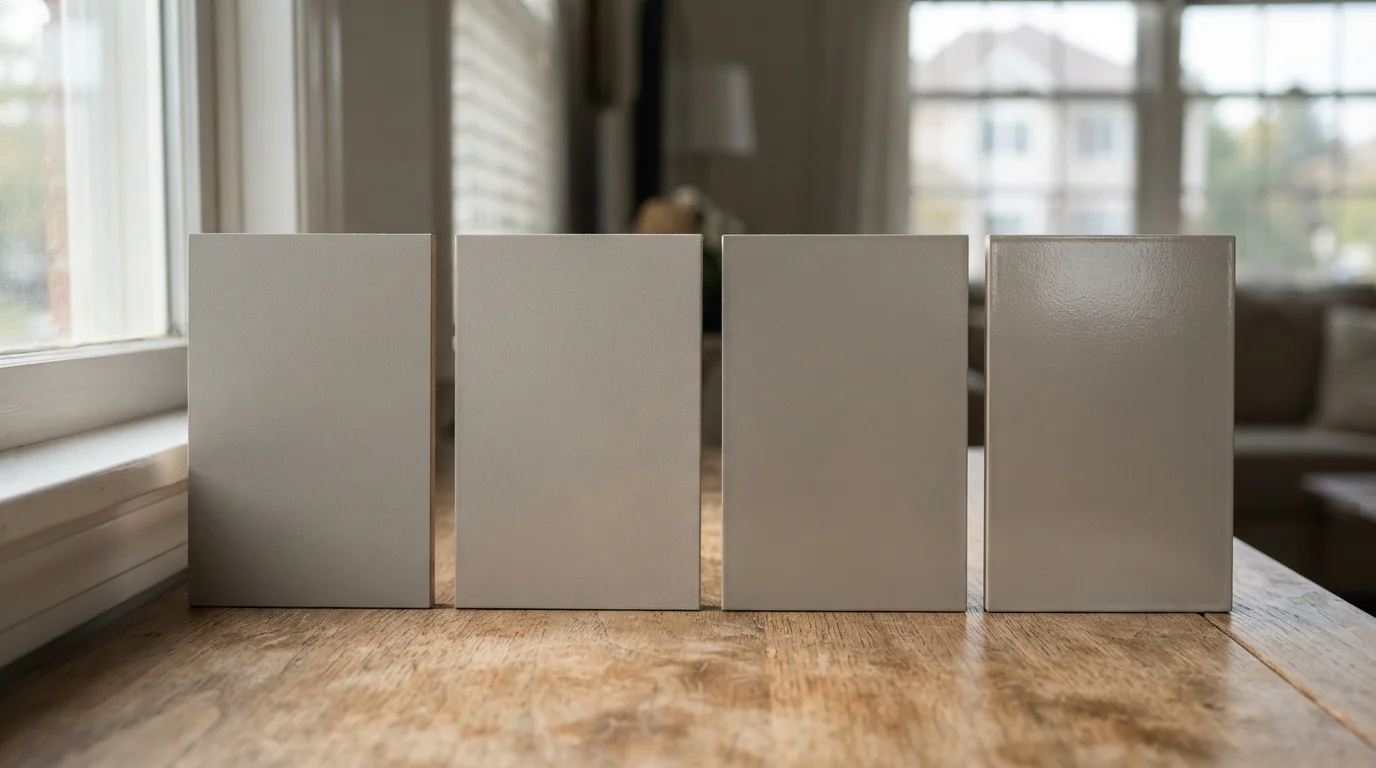
Sheen is how much light a dry paint film reflects. More sheen means a harder, smoother surface that wipes clean, but it also highlights every dent, patch and roller mark, especially when light comes across the wall from a window.
Less sheen hides flaws and gives a softer look, but it marks more easily and does not scrub well. Choosing a sheen is really choosing between washability and forgiveness for each room.
Part 2
Ceilings: flat, almost always
Ceilings are seen at an angle under lights, so any shine shows lap marks and drywall joints. Flat ceiling paint hides them and is the standard in nearly every room. Bathrooms can take a moisture-resistant flat. Our ceiling painting page covers stains and high ceilings.
Tinting the ceiling slightly toward the wall color, instead of stark white, is a small change that can make a room feel warmer.
Part 3
Living rooms, bedrooms and hallways
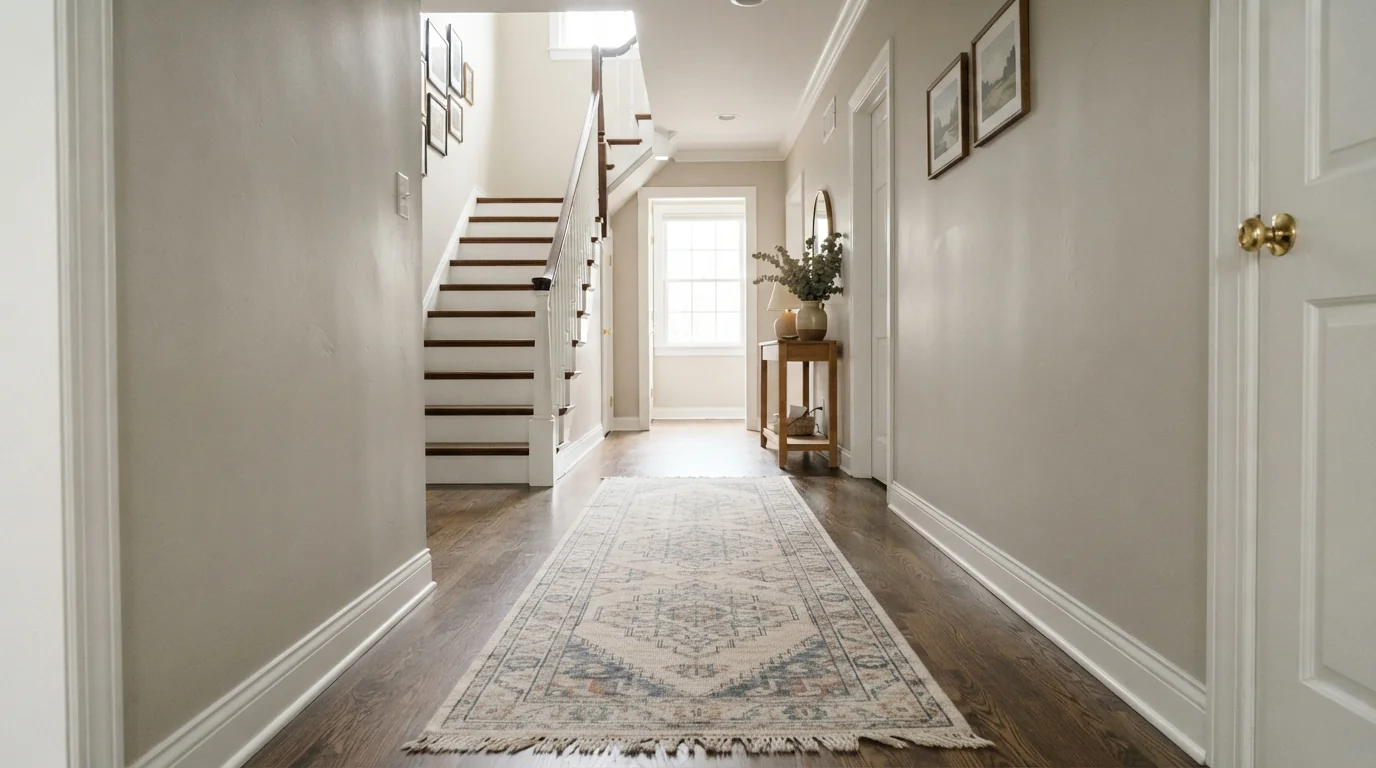
Eggshell is the workhorse sheen for most rooms. It hides minor wall flaws, has a soft low shine and washes well enough for normal living. Formal rooms and quiet bedrooms can go down to matte for the most forgiving look.
Many 1980s and 1990s houses here still carry flat builder paint in these rooms, which marks easily and does not scrub. Moving to eggshell during a repaint is one of the most noticeable upgrades on an interior job.
Not sure which sheen goes where? Call and we will bring samples to your walls.
Call (630) 467-7456
Part 4
Kitchens, bathrooms and kids' rooms
Rooms that get splashed, steamed or handled need satin. It resists moisture and scrubbing better than eggshell and still looks like wall paint rather than enamel. In bathrooms, a paint made for humidity helps against mildew.
The trade-off is that satin shows more of the wall, so patching and sanding before paint matter more in these rooms.
Part 5
Trim, doors and cabinets
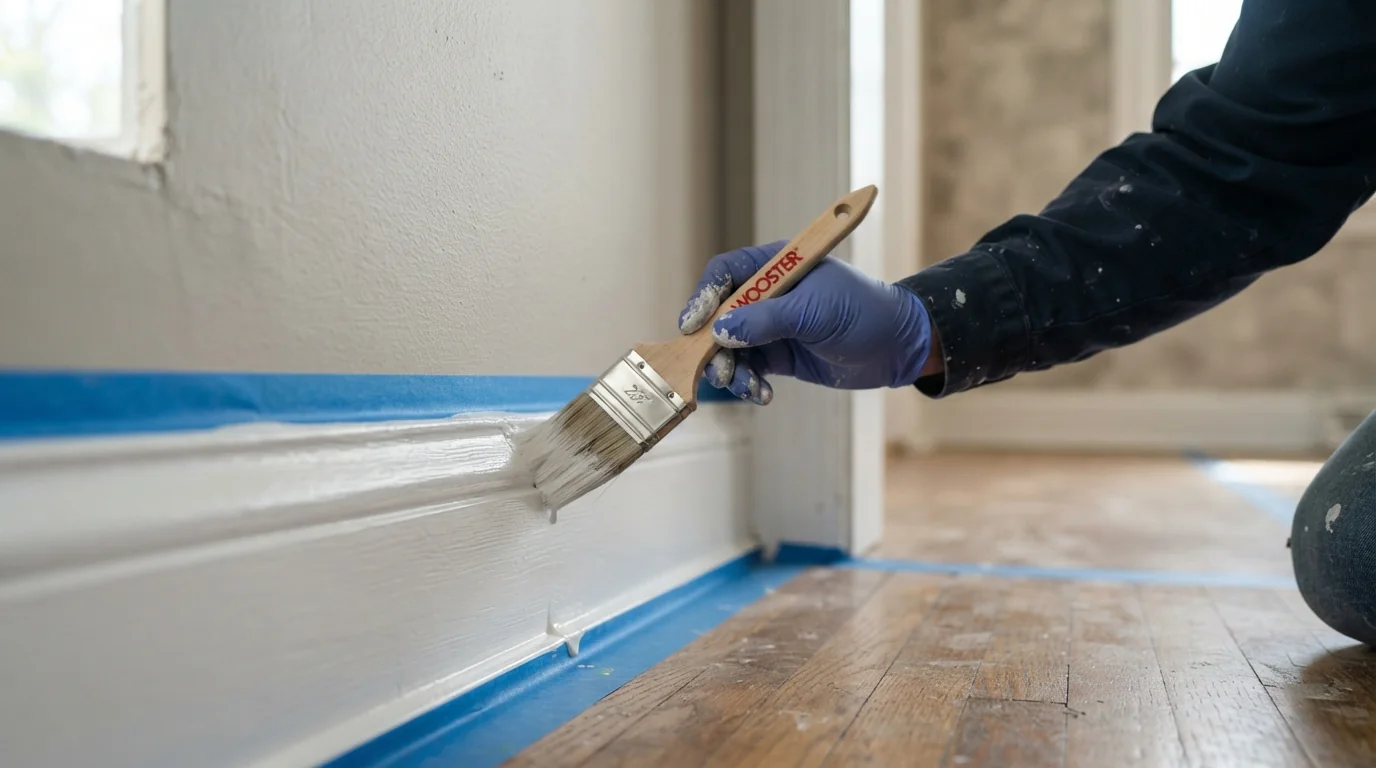
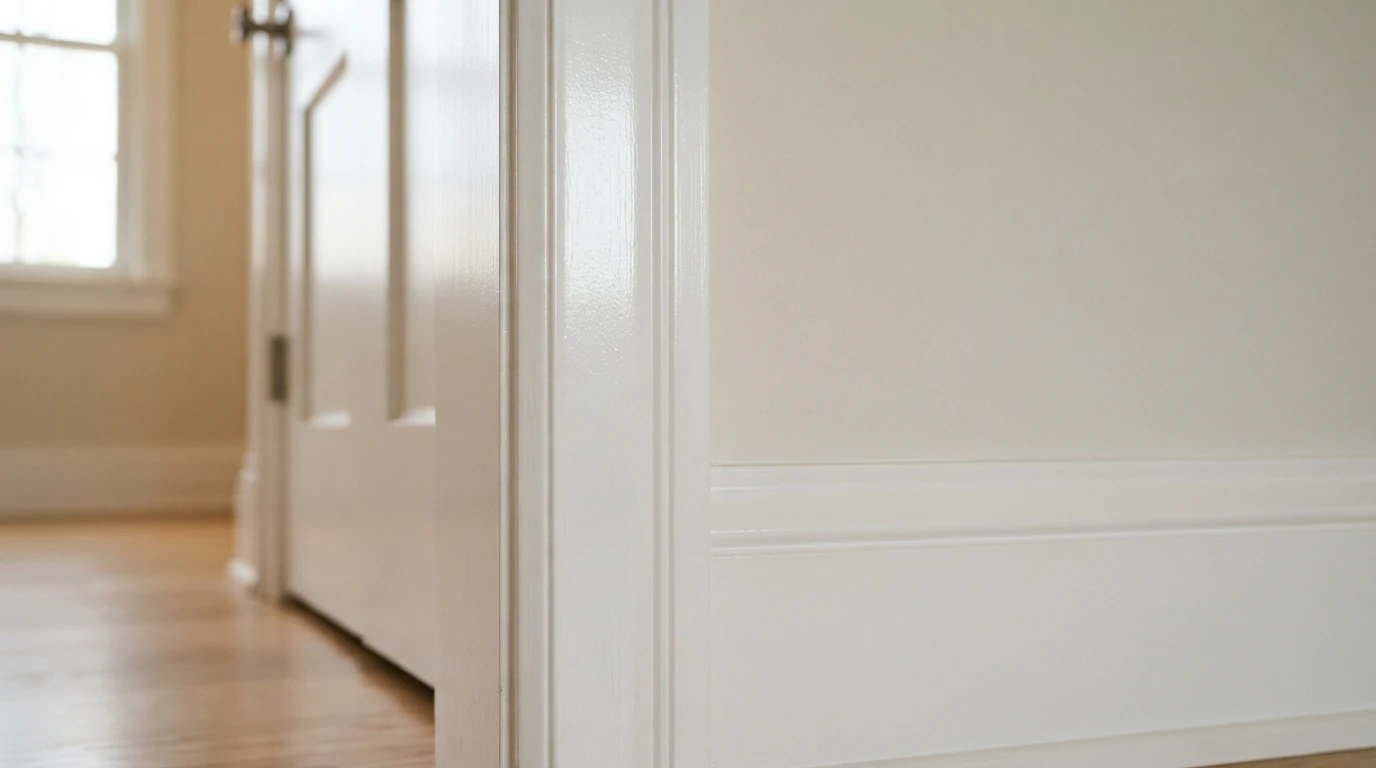
Trim, doors and cabinets get an enamel, usually semi-gloss or satin. Semi-gloss is easiest to clean and gives crisp contrast with the walls; satin hides dents and brush marks better on older trim. Our trim page compares enamel types.
Whatever you pick, keep it consistent across the house so trim reads as one finish from room to room.
Part 6
Outside the house
Exterior siding usually gets a flat or satin finish: flat hides flaws in old wood siding, satin sheds dirt a little better. Trim, doors and shutters look best in a satin or semi-gloss enamel. Our exterior painting page covers products by siding type.
Unsure? A color consultation includes large samples in the sheens you are choosing between, seen in your own light.
Part 7
Why touch-ups show, and how to avoid it
A touch-up can show as a shiny or dull patch even when the color is identical. That is called flashing, and it happens because sheen changes with how the paint is applied: brush versus roller, thick versus thin, fresh versus aged. Higher sheens flash the most.
The fix is to paint from corner to corner rather than patching a spot, and to keep a labeled can of the exact product and sheen from the original job. Flat and matte finishes touch up best, which is one more reason they suit ceilings.
Eggshell for most rooms, satin for kitchens, bathrooms and kids' rooms, flat for ceilings.
Standard flat paint is not very washable. Some premium matte paints clean better, but eggshell is safer for busy rooms.
Semi-gloss or satin enamel. Semi-gloss cleans easiest; satin hides dents better.
Sheen varies with how paint is applied, so touch-ups on higher sheens often flash. Painting corner to corner avoids it.
Satin or a moisture-resistant finish for walls, and a moisture-resistant flat for the ceiling.
Walls should share one sheen where they meet; change sheen at a corner or a trim break.
Flat or satin for siding, with satin or semi-gloss enamel on trim and doors.
Answering now
Talk it through with a painter in Naperville
Call any hour. We answer questions on the phone and book a walk-through when you are ready.
